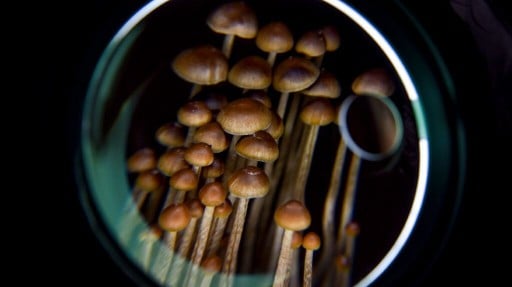
- Researchers report that psilocybin from mushrooms can help relieve depression for people with cancer.
- They noted that psilocybin is not a treatment for cancer but said it can help with the disposition and outlook of people with cancer.
- Psilocybin is listed as a schedule I drug by federal authorities and has not been approved for clinical use by federal officials.
Mushrooms may be more magical than previously believed.
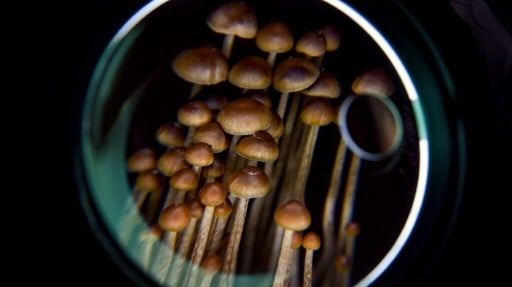
Results from a phase two clinical trial found that psilocybin – a hallucinogenic chemical found in certain types of mushrooms of the genus Psilocybe – helped trial participants. The study authors said the participants experienced fewer symptoms of depression and “spoke highly of the therapy when interviewed at the end of the trial.”
The substance is currently considered a schedule I drug by the U.S. government, currently defined as having a high potential for abuse and no accepted medical use. The Food and Drug Administration also has not approved it for clinical use.
However, the study authors said “multiple randomized controlled trials have demonstrated the safety and potential efficacy of psilocybin-assisted therapy—which combines psilocybin with psychological support from trained therapists—to treat major depressive disorder.”
They also pointed out there’s plenty of research taking place concerning using psilocybin in treating mental health conditions, including addiction, anxiety, and post-traumatic stress disorder.
Details from the psilocybin mushroom study
The new study involved adults with cancer and depression.
In the trial, 30 people received a 25 mg dose of synthesized psilocybin, group therapy, and a one-on-one session with a therapist at Sunstone Therapies in Rockville, Maryland.
“This study was differentiated by its group approach. Cohorts of three to four patients were simultaneously treated with 25 mg of psilocybin in adjacent rooms open at the same time, in a one-to-one, therapist-patient ratio,” said Dr. Manish Agrawal, a lead study author and chief executive officer at Sunstone Therapies, in a statement. “The cohorts had preparation for the therapy as well as integration sessions following the psilocybin session as a group.”
Researchers reported that participants showed moderate to severe depression scores at the beginning of the study. Eight weeks later, the research team observed subjects’ depression severity scores dropped by an average of 19 points, “a magnitude that would indicate the majority no longer experienced depression,” they wrote.
Treatment produced a sustained response in 80% of the participants, with 50% showing full remission of depressive symptoms after a week of the eight-week treatment. Subjects reported side effects such as headache and nausea and headaches were generally mild, the researchers reported.
“As an oncologist for many years, I experienced the frustration of not being able to provide cancer care that treats the whole person, not just the tumor,” Agrawal said. “This was a small, open-label study and more research needs to be done, but the potential is significant and could have implications for helping millions of patients with cancer who are also struggling with the severe psychological impact of the disease.”
What study participants thought of psilocybin clinical trial
Agrawal was also senior author of a
Most subjects described positive experiences, noting that the group dynamic calmed their fears and made them feel more prepared for therapy.
The authors said subjects said they felt being connected to the group “deepened and enriched their experience, ultimately contributing to their experience of self-transcendence and compassion for one another.”
Group and individual sessions seemed to work in different ways. Participants said having individual and group sessions allowed therapy to remain intimate and introspective while also giving it a sense of togetherness.
“It was profoundly moving and encouraging to witness the magnitude of participants’ improvement and the depth of their healing journey following their participation in the trial,” Beaussant said in the statement. “Participants overwhelmingly expressed positive sentiments about their experience of psilocybin-assisted therapy while emphasizing the importance of the supportive, structured setting in which it took place.”
The authors said the process still needs additional studies to include more people, along with a control arm comparing effects to other treatments or placebo.
Experts discuss mushrooms’ effects on the brain
“At this point, we know that altered states of consciousness can help patients face and process difficult emotions associated with their disease,” Sharma said. “In this state with the right guides, we can potentially reframe and accept our condition or find peace. These agents can contribute to neuroplasticity, which means that our brain can make new connections and change the way it is responding to stress and negative emotions.”
Sharma said psilocybin doesn’t directly treat cancer, although “rewiring” of neural networks could be helpful. He said the chemical shifts perspective, which can help people think differently about life and death and bring spiritual peace and acceptance.
“The downsides are that this time we still have a lot to learn regarding how it works and how it affects us so there is always inherent risk with that,” Sharma explained. “In addition, ‘opening our mind and heart’ in this manner cannot be done without expert therapists and support. Patients should be guided through this otherwise they can experience anxiety, panic, confusion, and can have high blood pressure, and cardiac side effects they may not be able to manage, if on their own or with inexperienced people. We also don’t yet know any long-term effects.
How psilocybin can help people with cancer
Rabin told Medical News Today there’s no evidence psilocybin treats cancer, “but as far as the depression and hopelessness associated with cancer, there’s a lot of evidence stemming from Roland Griffiths’ original work from John Hopkins University suggesting strongly that a single dose of psilocybin is extremely effective at helping reduce the depression and anxiety surrounding end of life in cancer patients.”
“A big reason for this is the nature of how psilocybin, delivered in a safe environment with proper conditions and therapeutic preparation, gives the patient a sense of profound unity, enhanced safety, and connectedness to something greater than themselves,” Rabin explained. “It reaffirms their sense of self above and beyond the illness they’re suffering from. This is very much reinforcing belief and hope.”
Rabin said psilocybin works well with cancer patients because it allows people an opportunity to separate their sense of self from the words that were given to describe themselves and their illness.
“It restores hope and lifts feelings of depression and anxiety, which can accelerate healing,” he said. “It’s hard to say that using psilocybin extends life, but it definitely helps patients live better with the time they have.”
Some cautions about mushrooms and psilocybin
“Rigid thinking patterns and fears can often be softened as a result of the effects of psilocybin,” Botta said. “Both group and individual therapy can end up being far more effective as a result, since individuals enter it in a state that naturally makes them more receptive to change.”
Botta said some people have spiritual experiences with psilocybin, which she said is difficult to measure, but “such an experience can naturally lead to a reduction in depressive symptoms, as it will typically lead to a shift in one’s worldview and a greater sense of peace and ease. For cancer patients in particular, who often struggle with a fear of death, the shift in anxiety levels can be marked.”
However, she also mentioned potential downsides.
“There have been several instances of psilocybin inducing mania or psychosis,” Botta said. “While many subjects have positive experiences, it can be difficult to determine who will not.”
“Other concerns relate to ethics of the commercialization or medicalization of psilocybin, which has been viewed as a sacred sacrament by indigenous cultures for millennia,” she added.
New