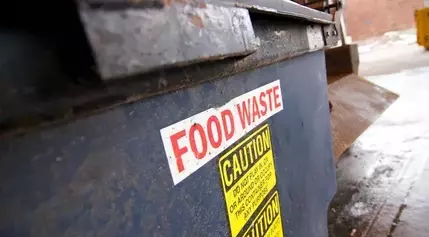
70% of households with children regularly waste food, finds Spanish study
Tackling Food Waste: Insights into Spanish Households with Children
A recent study by the Institute of Environmental Science and Technology at the Universitat Autònoma de Barcelona (ICTA-UAB) has shed light on the alarming issue of food waste in Spanish households, particularly those with children. The findings reveal the socioeconomic factors and behavioral patterns that contribute to this pressing problem, offering valuable insights for policymakers and families alike.Empowering Families to Reduce Food Waste
Households with Children Lead the Charge in Food Waste
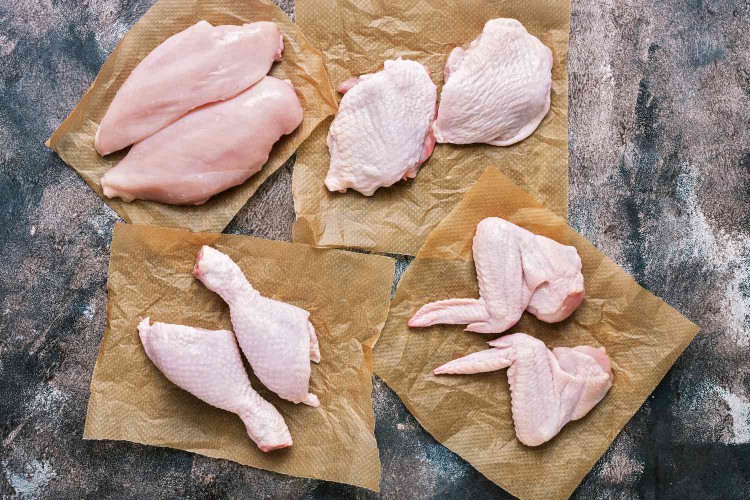
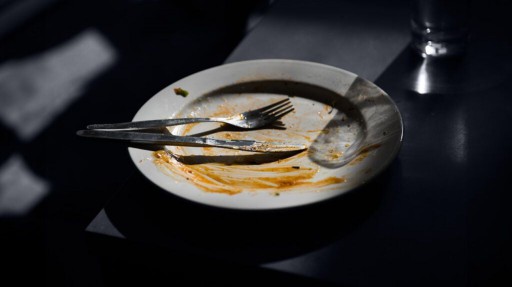
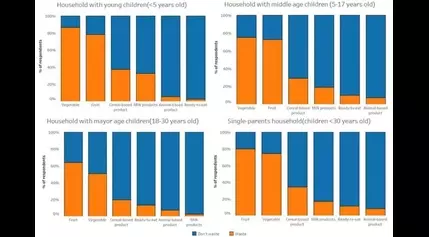
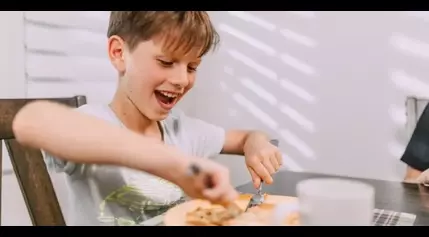
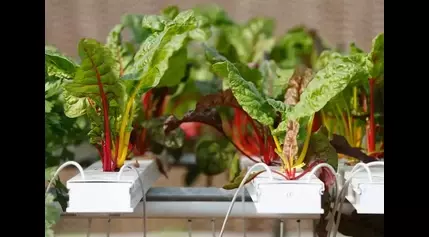
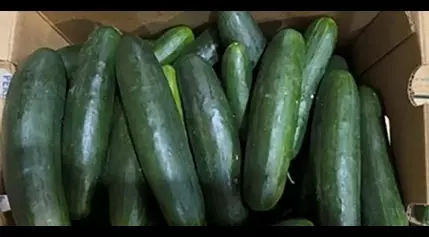
The study, published in the journal Frontiers in Nutrition, analyzed the food disposal habits of 800 Spanish households. The results paint a concerning picture, with seven out of ten Spanish households regularly discarding food. Families with young children and teenagers emerged as the most significant contributors to this issue, while single-parent households and those with adult children were found to waste the least.The study identified perishable items such as vegetables (80%), fruits (78%), and cereal-based products (63%) as the most commonly wasted, followed by dairy products (25%). Interestingly, animal-based products like meat, fish, and eggs, along with pre-cooked items, were the least likely to end up in the trash.Inadequate Food Management: The Root Cause of Waste
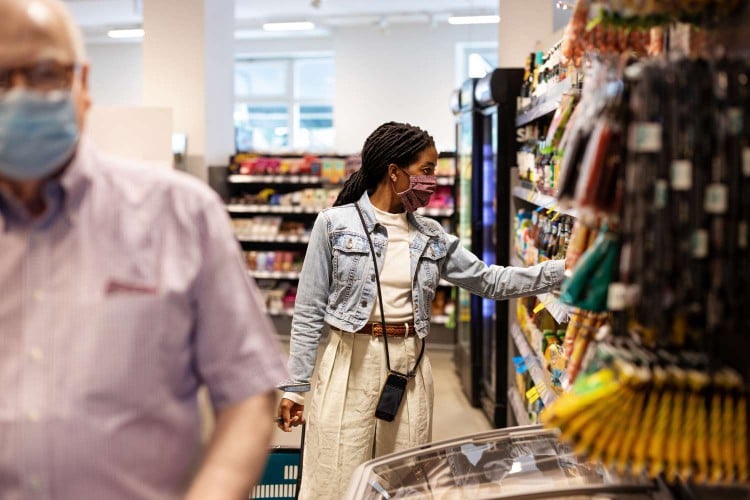
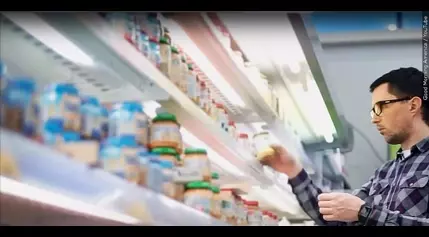
The primary driver of food waste, according to the study, is spoilage due to poor food management practices. Households often struggle to accurately gauge their food needs, leading to the over-purchase of perishable items that ultimately end up in the garbage before being consumed.The typical Spanish household food shopper is a woman (70%) under the age of 54 (79%), who works full or part-time (78%) and spends an average of 537 euros per month on food. While half of the families shop at supermarkets and hypermarkets, two out of three households make a single weekly shopping trip, supplemented by smaller purchases throughout the week.Behavioral Insights: Cooking Habits and Packaging Influence Waste
The study also examined the food consumption behaviors of Spanish households. While 66% of families report consuming fresh products at home daily, and almost all families consume animal products more than four days a week, 84% of families admit they do not cook every day.Another factor contributing to food waste is the influence of certain packaging, discounts, and persuasive marketing tactics employed by large supermarkets and hypermarkets. The presence of ultra-processed foods and enticing offers like "3-for-2" promotions can lead to over-purchasing, resulting in unnecessary waste.Empowering Families: Practical Solutions to Reduce Food Waste
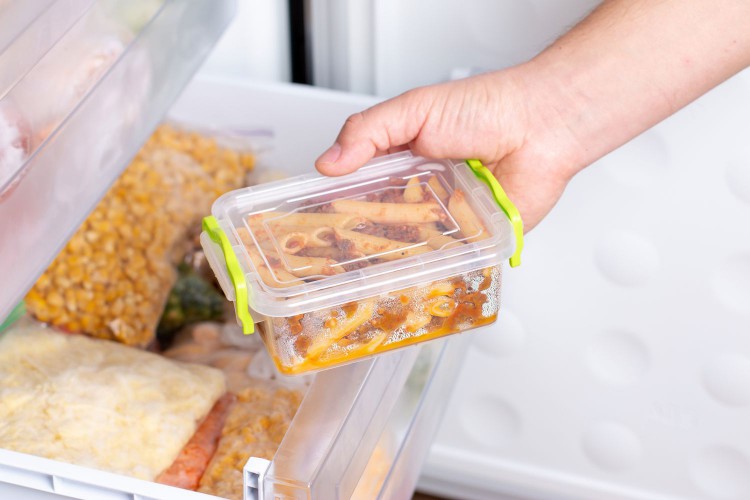
To address this pressing issue, researchers emphasize the need for a multifaceted approach. Detailed meal planning, checking the contents of one's pantry before shopping, creating shopping lists, and freezing food to extend its shelf life are all effective strategies that can help reduce food waste.Interestingly, the study found that households that reported buying their food from small shops and municipal markets tend to waste less food than those who shop at larger supermarkets or hypermarkets. This suggests that the shopping environment and marketing tactics can significantly impact food waste.Researchers also call for educational public policies aimed at families, such as school awareness campaigns about the social and environmental impact of food waste, and the promotion of healthy habits and diets based on local and seasonal products. Involving children in meal planning and food preparation can also have a positive impact on reducing waste.Additionally, the researchers highlight the potential of tools and online applications that help manage the list of most-consumed foods and plan shopping more efficiently. They also suggest encouraging the sale of bulk products and implementing separate collection of organic waste in neighborhoods with high percentages of households with children to improve waste management and reduce greenhouse gas emissions.By addressing the root causes of food waste and empowering families with practical solutions, this study offers a roadmap for tackling this pressing issue and promoting a more sustainable future for Spanish households.