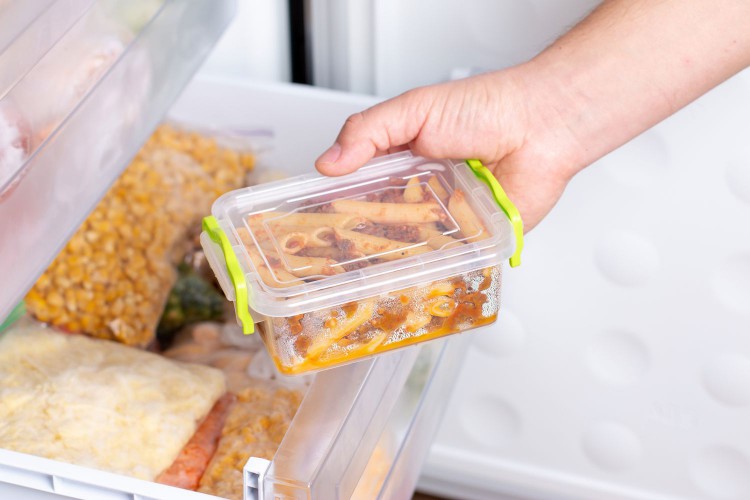
In a recent incident, a domestic cat in Portland, Oregon, succumbed to the highly pathogenic avian influenza (HPAI) virus after consuming raw frozen pet food. This event has sparked concerns about the safety of raw pet food products and the potential risks they pose to both pets and humans. The outbreak highlights the need for stringent quality control measures in pet food manufacturing and underscores the importance of public health vigilance.
Detailed Report on the Avian Influenza Incident
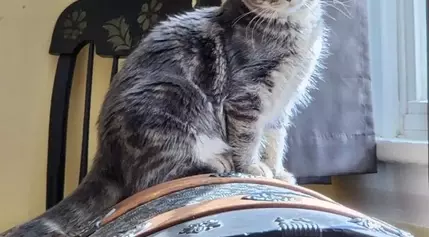
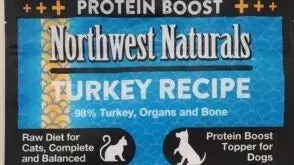
In the heart of the Pacific Northwest, during a crisp autumn day, tragedy struck when a house cat in Portland, Oregon, fell victim to the H5N1 strain of avian influenza. The feline, which lived exclusively indoors, contracted the virus after eating Northwest Naturals brand Feline Turkey Recipe raw frozen pet food. Laboratory tests conducted by the U.S. Department of Agriculture’s National Veterinary Services Laboratories (NVSL) and Oregon State University confirmed that the virus found in the cat matched the one detected in the contaminated pet food. Dr. Ryan Scholz, the State Veterinarian at the Oregon Department of Agriculture, emphasized that this was a direct result of consuming the tainted product.
The affected batch of pet food, packaged in 2-pound plastic bags with "Best if used by" dates of 05/21/26 B10 and 06/23/2026 B1, was distributed across twelve U.S. states and British Columbia, Canada. Promptly following the discovery, Northwest Naturals initiated a recall in collaboration with the Oregon Department of Agriculture to prevent further infections. Meanwhile, public health officials are closely monitoring household members who had contact with the infected cat for any flu-like symptoms.
This incident mirrors a similar outbreak in South Korea in 2023, where 38 out of 40 shelter cats perished within a month after contracting HPAI from their food. The Ministry of Agriculture, Food and Rural Affairs (MAFRA) in South Korea traced the source to improperly sterilized cat food manufactured by Nature’s Raw. Following this, MAFRA ordered a comprehensive recall of all potentially contaminated batches.
Researchers have since published findings in Nature Communications, urging enhanced surveillance and preventive measures to mitigate cross-species disease transmission. They stressed the importance of safeguarding environments where susceptible animals are kept in close quarters, as these settings can serve as sentinels for detecting and mitigating zoonotic risks.
The U.S. Food and Drug Administration (FDA) has issued guidelines to reduce the risk of HPAI in pets, emphasizing safe feeding practices. Domestic and wild cats, including species like tigers and lynx, are particularly vulnerable to the virus, especially when fed raw or undercooked meats. The FDA advises against feeding pets products from affected farms unless thoroughly cooked or pasteurized. Additionally, cats should be prevented from hunting and consuming wild birds to avoid exposure.
Reflections and Implications
From a journalist's perspective, this incident serves as a stark reminder of the interconnectedness between animal and human health. It underscores the critical role that proper food safety protocols play in preventing outbreaks and protecting both pets and their owners. As we continue to learn more about zoonotic diseases, it is essential for regulatory bodies, manufacturers, and pet owners to remain vigilant and proactive in ensuring the safety of our furry companions. The ongoing monitoring and research efforts will undoubtedly contribute to better prevention strategies and ultimately safeguard public health.
New