Reviving the Value Proposition: Fast Food Chains Embrace Meal Deals to Lure Back Customers
In a bid to combat slumping sales and customer dissatisfaction with rising prices, many of the country's largest fast food chains are turning to a familiar tactic: the return of the meal deal. As the COVID-19 pandemic disrupted supply chains and drove up operating costs, these chains have been steadily increasing menu prices, much to the chagrin of their loyal customer base. However, with consumers increasingly opting for more affordable options, the fast food industry is now facing a reckoning, and the reintroduction of value-driven meal deals may be the key to winning back their trust and loyalty.Reclaiming the Value Proposition: Fast Food Chains Embrace Affordability to Regain Customers
The Rise and Fall of the Dollar Menu
For years, the dollar menu was a staple of the fast food industry, offering customers a reliable and affordable way to satisfy their cravings. However, as operating costs continued to rise, many chains were forced to abandon this model, much to the disappointment of their customers. The average price of an item on McDonald's menu, for instance, has increased by more than 40% in just five years, a change that many consumers found unacceptable. This shift away from value-driven offerings has had a tangible impact on the industry, with McDonald's experiencing a slowdown in sales growth and a decline in store traffic.Responding to Customer Demands: The Return of Meal Deals
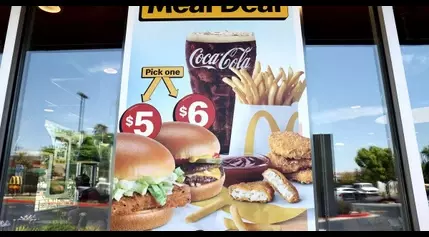
In an effort to win back the trust and loyalty of their customers, many fast food chains are now turning to the reintroduction of meal deals. McDonald's, for example, has brought back a meal deal that includes a double cheeseburger or McChicken sandwich, small fries, four-piece chicken nuggets, and a small soft drink. This move has already led to an immediate bump in sales for the chain, and the deal is set to remain in place for at least another month.The Broader Trend: Meal Deals Across the Industry
McDonald's is not the only chain embracing the power of meal deals. Burger King has launched its own meal deal, while chains like Sonic and Del Taco have introduced robust .99 menus filled with affordable burgers, nachos, and fries. Even Starbucks, a brand not typically associated with value-driven offerings, has introduced its first-ever breakfast deals, allowing budget-conscious consumers to score a latte and a breakfast sandwich for around .The Capitalist Reality: Balancing Profits and Customer Satisfaction
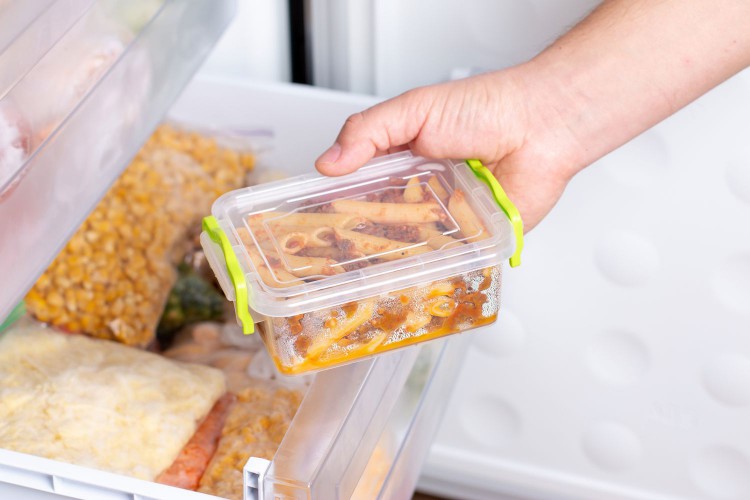
While the return of meal deals may seem like a win for consumers, it's important to recognize the underlying capitalist motivations driving these changes. Fast food executives have long been focused on extracting as much revenue as possible from their customers, with price hikes becoming the norm even before the COVID-19 pandemic. However, as customers began to balk at the rising costs, many turned to more affordable options, such as frozen food, which has seen a dramatic increase in sales over the past three years.The Perception of Value: Tricking Consumers or Genuine Savings?
The fast food industry's embrace of meal deals is not necessarily a straightforward win for consumers. In some cases, these "value" offerings may not actually be cheaper, but rather packaged in a way that creates the perception of a good deal. McDonald's, for instance, has acknowledged that its new meal deal is "more about value perception" than genuine savings. This suggests that the industry is more interested in changing the narrative around rising prices than truly addressing the underlying issue of affordability.The Future of Fast Food Value: Balancing Quality, Quantity, and Pricing
As the fast food industry navigates this new landscape of customer demands and economic uncertainty, the question remains: can these chains truly recapture the value proposition that once made them so appealing? While lower prices may benefit consumers in the short term, it's clear that fast food executives are primarily concerned with protecting their bottom line. Ultimately, the success of these meal deal initiatives will depend on whether they can strike a balance between offering genuine value, maintaining quality, and ensuring profitability for their businesses.New
















46.2K
1.4K
609
Lifestyle