Confronting the Consequences: Montana's Struggle with Food-Conditioned Bears
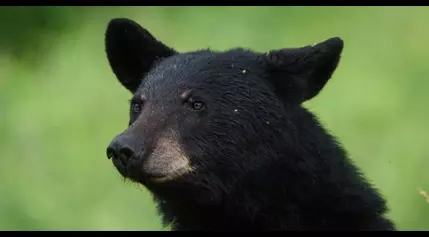
In a concerning incident, Montana Fish, Wildlife and Parks (FWP) was forced to euthanize a food-conditioned black bear after it had a conflict with campers in the Flathead Valley. The bear's aggressive behavior, fueled by its reliance on human food sources, highlights the ongoing challenge of managing wildlife-human interactions in the state's outdoor spaces.Safeguarding Campers and Bears: A Delicate Balance
The Incident: A Cautionary Tale
Last week, FWP received reports of a black bear causing disturbances at campsites on the north end of Hungry Horse Reservoir. The bear had become increasingly bold, breaking into a car and even entering a tent in search of food. Tragically, this behavior led to a confrontation with campers, prompting FWP to take action.According to the agency, one camper was cited for the improper storage of food, a crucial factor that contributed to the bear's food-conditioned behavior. FWP set traps for the bear on the 4th of July, and after it was caught, the decision was made to euthanize the animal. This difficult choice was driven by the bear's dangerous, food-seeking tendencies, which posed a significant threat to public safety.
The Consequences of Food Conditioning
Food-conditioned bears, as FWP explains, can become more aggressive towards humans, posing a serious risk. When bears associate campsites and human activities with easy access to food, they lose their natural fear of people and become increasingly bold in their pursuit of sustenance. This can lead to dangerous encounters, as the Flathead Valley incident has demonstrated.The agency emphasizes the importance of properly securing food and garbage when camping, as these measures can help prevent bears from becoming food-conditioned in the first place. By denying bears access to human food sources, campers can encourage the animals to maintain their natural foraging behaviors and avoid potentially deadly conflicts.
Educating the Public: A Shared Responsibility
To address this issue, FWP is urging the public to take proactive steps to protect both themselves and the wildlife they encounter. The agency recommends that all food items be stored out of tents and that any garbage be disposed of in bear-proof trash cans. Additionally, FWP provides detailed information on its website about properly securing campsites and minimizing the risk of wildlife encounters.By educating the public and promoting responsible camping practices, FWP aims to foster a greater understanding of the delicate balance between human activities and the preservation of Montana's diverse ecosystem. This collaborative effort, involving both the agency and the outdoor enthusiasts who enjoy the state's natural wonders, is crucial in preventing future incidents and ensuring the coexistence of humans and wildlife.
The Broader Implications: Balancing Conservation and Public Safety
The euthanization of the food-conditioned bear in the Flathead Valley highlights the broader challenges faced by wildlife management agencies across the country. As human populations continue to expand and encroach on natural habitats, the potential for conflicts between people and wildlife increases. Agencies like FWP must navigate this complex landscape, striving to protect both the public and the animals they are entrusted to safeguard.This incident serves as a stark reminder of the importance of responsible outdoor practices and the need for ongoing education and collaboration between agencies, conservation groups, and the general public. By working together to promote sustainable coexistence, we can ensure that Montana's natural wonders remain accessible and safe for all who seek to experience them.
New