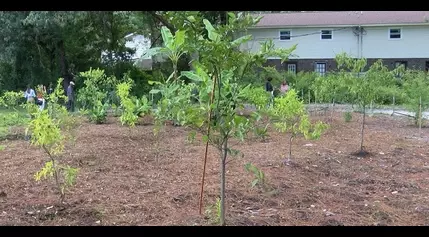
Cultivating Community: Charleston's Pioneering Food Forest Blooms with Nourishment
In a groundbreaking move, the Charleston Parks Conservancy has officially opened the first food forest of its kind in the state of South Carolina. Located in the Ardmore neighborhood of West Ashley, this innovative project aims to provide a sustainable and inclusive source of fresh produce for the local community, empowering residents with access to a bountiful harvest of fruits, nuts, and berries.Unlocking the Potential of Urban Gardening
Transforming Underserved Neighborhoods
The Charleston Parks Conservancy strategically selected the location of the food forest, recognizing the pressing need for affordable and nutritious food options in the Ardmore neighborhood. This community has long struggled with limited access to healthy, affordable sustenance, a challenge that the food forest now seeks to address. By establishing this vibrant green space, the conservancy has partnered with the city, the neighborhood, and the South Carolina Forestry Commission to bring a transformative solution to the area.Cultivating a Sustainable Ecosystem
The food forest is more than just a collection of fruit trees and vegetable beds; it is a carefully curated ecosystem designed to thrive in harmony with its surroundings. The conservancy has installed a rain garden, created a pollinator habitat, and planted a diverse array of seasonal and perennial food crops and herbs. This holistic approach not only ensures the long-term sustainability of the project but also fosters a rich, biodiverse environment that benefits the entire community.Empowering the Community
The food forest is not just a source of free produce for the Ardmore neighborhood; it is also a hub of educational opportunities and hands-on learning. The Charleston Parks Conservancy will offer a range of programs and training sessions, equipping residents with the knowledge and skills to properly harvest, prepare, and preserve the bounty from the food forest. This empowerment extends beyond the immediate benefits of the fresh produce, fostering a deeper understanding of sustainable food systems and cultivating a sense of community ownership.Measuring the Impact
The Charleston Parks Conservancy has set ambitious goals for the food forest, anticipating an annual yield of up to 30,000 pounds of produce, valued at approximately ,000. This substantial output underscores the transformative potential of the project, providing a reliable and accessible source of nourishment for the community. Moreover, the long-term nature of the food forest, with its perennial crops and established orchard, ensures that the benefits will continue to be felt for years to come.Collaborative Efforts and Sponsorship
The success of the Charleston food forest is the result of a collaborative effort involving various stakeholders. The project has received support from Trident United Way, the City of Charleston, Bank of America, and the South Carolina Forestry Commission, each contributing their expertise and resources to bring this vision to life. This multifaceted partnership highlights the power of community-driven initiatives and the potential for public-private collaborations to address pressing social and environmental challenges.Addressing Food Insecurity in the Tri-County Area
The food forest in West Ashley is not just a local initiative; it is part of a broader effort to combat food insecurity in the Tri-County region. According to Trident United Way Health Program Manager Madison James, there are over 100,000 households in the area that experience food insecurity. The Charleston food forest represents a tangible step towards addressing this pressing issue, providing a sustainable and equitable solution that empowers the community.A Lasting Legacy of Nourishment
The Charleston food forest is more than just a temporary solution; it is a long-term investment in the well-being of the Ardmore neighborhood and a testament to the power of community-driven initiatives. By establishing a thriving, self-sustaining ecosystem that will continue to yield fresh produce for years to come, the Charleston Parks Conservancy has created a lasting legacy of nourishment and empowerment that will undoubtedly inspire similar projects in communities across the state and beyond.New


















46.2K
1.4K
609
Lifestyle