Most supermarket baby food is unhealthy, study says
Navigating the Minefield: Uncovering the Hidden Risks in Baby Food
As parents, we entrust our little ones' well-being to the baby food products lining supermarket shelves. However, a recent study has revealed a startling truth: many of these seemingly innocuous items may not be as healthy as we've been led to believe. In an in-depth investigation, researchers have shed light on the concerning state of the baby food industry, exposing a landscape rife with misleading marketing claims and substandard nutritional content.Exposing the Baby Food Industry's Dirty Secrets
The Alarming Findings: Nutritional Deficiencies and Excessive Sugars
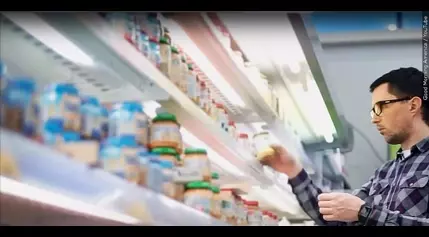
The study, published in the reputable journal Nutrients, analyzed a staggering 651 baby food products targeted at infants and toddlers aged 6 to 36 months. The findings were nothing short of alarming. Shockingly, a full 60% of the examined items failed to meet the World Health Organization's (WHO) recommended nutritional guidelines for this age group. This raises serious concerns about the quality and suitability of a significant portion of the baby food options available to parents.The researchers delved deeper, uncovering further disturbing details. A staggering 70% of the products did not meet the WHO's guidance on protein content, while 25% fell short of the recommended calorie levels. Perhaps most troubling of all, a startling 44% of the baby foods exceeded the WHO's guidelines for total sugars.Misleading Marketing: Deceptive Claims and Unclear Labeling
The study also revealed that the baby food industry is rife with misleading marketing practices. Nearly none of the analyzed products met the WHO's standards for accurate and transparent labeling and advertising. This means that parents are often bombarded with health claims and packaging that do not accurately reflect the true nutritional value of the products they are purchasing.The researchers highlighted the prevalence of unclear ingredient lists, exaggerated health benefits, and a general lack of adherence to the WHO's guidelines on responsible advertising and labeling. This raises serious questions about the industry's commitment to providing parents with the information they need to make informed choices for their children.The Urgent Need for Regulatory Oversight and Accountability
The findings of this study have cast a harsh spotlight on the baby food industry's practices, underscoring the pressing need for greater regulatory oversight and accountability. As parents, we entrust these companies with the nourishment and well-being of our little ones, yet the research suggests that many are falling woefully short of their responsibilities.It is clear that decisive action must be taken to ensure that the baby food market is held to the highest standards of nutritional quality and transparent marketing. Policymakers, consumer advocates, and industry leaders must come together to implement stricter guidelines, enforce compliance, and hold companies accountable for any deceptive or misleading practices.Empowering Parents: Navigating the Minefield of Baby Food Choices
In the face of these troubling revelations, parents are left with the daunting task of navigating the minefield of baby food options. It is crucial that we are empowered with the knowledge and tools to make informed decisions that prioritize the health and well-being of our children.By scrutinizing ingredient lists, questioning health claims, and seeking out reputable, independent sources of information, parents can become more discerning consumers. Moreover, advocating for greater transparency and accountability in the industry can help drive the much-needed changes to ensure that the baby food we entrust to our little ones is truly nourishing and safe.A Call for Responsible Innovation and Transparency
The baby food industry has a responsibility to rise to the occasion and embrace a new era of responsible innovation and transparency. By aligning their practices with the WHO's guidelines, committing to truthful and transparent labeling, and prioritizing the nutritional needs of infants and toddlers, these companies can regain the trust of parents and ensure that the next generation of children receives the nourishment they deserve.Only through a collective effort – involving regulators, industry leaders, and engaged parents – can we create a future where the baby food we trust is truly worthy of that trust. The stakes are high, but the potential to safeguard the health and well-being of our children makes this a battle worth fighting.