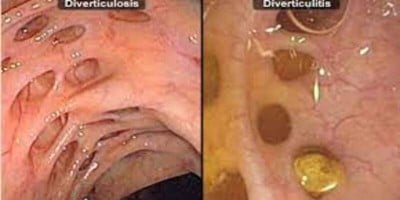
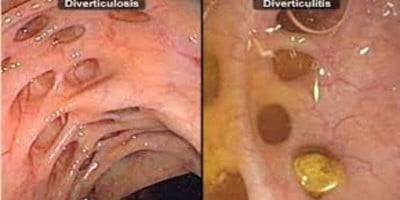
One's diverticula may become inflamed and infected, and a condition is known as diverticulitis, whereas diverticulosis is just the "presence" of diverticula (bulges in your colon wall). Most people with diverticulosis will never experience any discomfort or have to seek medical attention for the condition. Antibiotics may help with mild cases of diverticulitis. Surgery will be necessary if complications develop. Preventative strategies include the usual suspects: a good diet, regular exercise, and plenty of water.
What Are Diverticulosis And Diverticulitis?
Diverticulosis and diverticulitis are both diseases that affect the large intestine. Diverticulitis is a catchall word for several symptoms and diseases. Both of them are prone to developing diverticula. Pockets or projections in the intestinal lining are called diverticula. To illustrate, a diverticulum might be thought of as bubbles inside a bicycle tyre caused by adding too much air to the inflatable raft. When a tyre is inflated to harmful pressures, a bubble forms in the inner tube exactly where the material is most likely to break. An increase in colon pressure may lead to the development of pockets and bulges in the colon's weak areas, much as a higher pressure elsewhere in the body does. Diverticula can range in size from a little pea to a massive grapefruit. Although they can form anywhere in the intestinal lining, they most commonly manifest in the descending colon.
What Distinguishes Diverticulitis From Diverticulosis?
Diverticulosis is when the colon develops these microscopic bulges or pockets (diverticula). Symptoms are uncommon, and they are seldom addressed. On the other hand, diverticulitis is a potential complication of diverticulosis. Inflammation (swelling) and infection in a diverticulum (or several diverticula) constitute diverticulitis. Symptoms might vary and include discomfort, nausea, fever, and more. This is a very severe and terrible disorder.
Diverticulosis And Diverticulitis Are Caused By What?
Diverticulosis is thought to be caused by a lack of fiber in the diet, albeit this is just a hypothesis. Waste builds up in the colon and causes constipation if you don't consume enough fiber. The colon's lining is subjected to additional stress while you're constipated. The diverticula occurs when the colon's weak spots are subjected to increasing strain. Scientists have yet to pinpoint a specific cause for diverticulitis, but they believe that bacteria in feces may be to blame when it spreads into the diverticula and causes inflammation. Another possibility is that the walls of the diverticula itself deteriorate from the increased strain on the colon walls.
Diverticulitis Diagnosis?
It's crucial to consult a doctor if you're experiencing any of the symptoms associated with diverticulitis. Initially, your doctor will inquire about your present symptoms, the foods you often consume, the frequency and nature of your bowel movements, and the drugs you are now taking. During your appointment, your doctor will feel discomfort and tenderness in your stomach.
How Do You Treat Diverticulosis?
Diverticulosis is not usually painful and hence not always treated. But because diverticulosis may cause diverticulitis, a high-fiber diet is recommended for prevention. Eat less red meats and more plant-based foods, such as produce, grains, nuts, seeds, beans, and legumes.
What Is The Treatment For Diverticulitis?
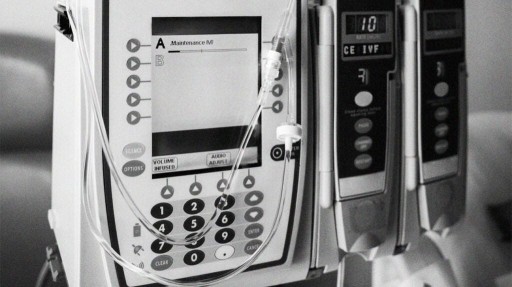
In cases when the diverticulitis is minor, an oral antibiotic may be all that is needed. You may be advised to take it easy, use over-the-counter pain relievers, and eat a low-fiber or liquid diet unless your symptoms improve. As your condition improves, you may gradually transition back to a regular diet, which should consist mostly of fiber-rich foods. The details of your therapy will be determined after a discussion between you and your doctor. Admittance to the hospital for intravenous (IV) antibiotics, IV fluids, and even surgery may be considered if your diverticulitis is very severe, if you are experiencing rectal bleeding, or if this is not your first episode of diverticulitis.
What Is The Procedure For Diverticulitis Surgery?
A section of the colon is often taken out during surgery. The infected part of the colon is cut out, and then the colon is sewn back onto the rectum during surgery. There are various surgical options available, including open surgery, laparoscopic surgery, a combination of both, and more, all of which depend on the severity and degree of the condition. A colostomy may or may not be necessary for you. As part of a colostomy procedure, the end of the patient's colon, which is still in good condition, is brought through an incision in the patient's abdominal wall and placed on the skin. When you have a colostomy, a bag is attached to your skin over your colon to catch any waste.
Conclusion
Small, protruding pouches called diverticula may develop in the intestinal walls. Most of the time, they may be located in the large intestine bottom third (colon). After 40, diverticula become more prevalent, although they usually don't cause discomfort. Diverticulosis is the medical term for the presence of diverticula. Diverticulitis occurs when inflammation and, in rare circumstances, infection develop in one or more of these pouches. Constant diarrhea, vomiting, and high body temperature are only a few diverticulitis symptoms. In mild cases of diverticulitis, rest, dietary adjustments, and antibiotics are all needed to get you feeling better. Surgery may be necessary in cases of severe or recurrent diverticulitis.