
Many individuals become confused between retinol and retinoids, and this is understandable. These two anti-aging substances share certain similarities. The vitamin A derivative retinol is a retinoid. Retinoid is often used to represent stronger prescription medicines, whereas retinol is typically used to explain weaker OTC formulations.
Dermatologist Dr. Ramya Kollipara of Dallas's Westlake Dermatology said that OTC treatments "are still effective but need more time and regular application to function." "They tend to be less drying," she explains. When should stronger retinoids be used instead of less potent retinol? Furthermore, is it feasible to utilize both without risk?
What Is Retinol?
Retinoids, derived from vitamin A, are effective against many skin conditions. That's because they speed up the pace at which skin cells regenerate. We contacted Dr. Karyn Grossman of Santa Monica's Grossman Dermatology for further information.
She elaborates on how retinoids can speed up the turnover and development of skin cells. In a nutshell, they alter the way your skin cells perform. She continues by saying that using retinoids topically helps accelerate cell development on the surface of your skin, which thickens the top layer of the skin.
What Is Retinoid?
New York City dermatologist and head of SINY Dermatology, Dr. Emmanuel Loucas, notes that "retinol are a subclass of retinoids." Although they contain less retinoic acid, they have the same effect as prescription retinoids.
One method to remember which product is superior is to consider the number of steps necessary for its breakdown into retinoic acid. As a result, they are much less powerful now.
However, retinol can still benefit in treating moderate types of acne and hyperpigmentation, and it can lessen the appearance of fine lines and wrinkles. In this case, it's time before you see the results. In a positive light, They are available without a doctor's prescription and typically have fewer negative effects.
What Kind of Retinoid Or Retinol Should I Use?

Think about your skin type and the seriousness of your problem before settling on a solution. In fact, "Retinols are advised for anybody with dry skin as they tend to be less drying and are commonly made with hydrating components," as Kollipara puts it.
Those with sensitive skin should begin with a milder retinol formulation. Grossman suggests using retinol twice or thrice weekly if you have any of the conditions above. After about a month, you should be able to work up to using it every day. She advises that if you can take a mild product, you may gradually add a stronger one to your routine.
Experiencing Adverse Effects?
Grossman claims that the following are typical retinoid adverse effects:
- Mild itchiness
- redness
- sun sensitivity
- dryness
- flaking
- burning
She says these symptoms are generally indicative of excessive product usage or harsh skin care practices. Further, the potential for negative consequences increases with increasing dosage or concentration.
You can lessen your risk of these negative reactions by gradually increasing your retinoid usage. Again, retinoids are suitable for all skin types, though individuals with dry or sensitive skin should begin with a lower concentration.
Methods For Applying Retinoids

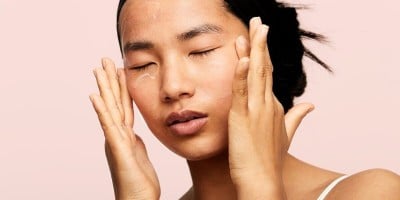
There may be a question of when is the optimum time to utilize retinoids or retinol in your skincare routine. Kollipara suggests using a mild cleanser at night before applying retinoids or retinol. She suggests a pea-sized quantity and waiting until your face is completely dry before applying.
Moisturizer used after that might also aid in preventing inflammation. If you're unsure if your skin can handle the product, start using it a couple of times a week and gradually increase the frequency. Also, ensure you're always protecting yourself from the sun by donning some SPF.
What if I Want To Utilize More Than One Retinoid Product?
Kollipara notes that this is something to avoid because it might exacerbate dryness and discomfort. Retinoids can interact with other skin care treatments, so it's important to know what's in everything you use.
According to Grossman, retinoids can be neutralized by benzoyl peroxide and alpha hydroxy acids. However, mixing retinoids with astringents like ethyl alcohol or witch hazel can cause your skin to become too dry, red, and irritated.
The Bottom Line
Retinoids provide a wide range of potential advantages for the skin, including anti-aging effects, sun damage relief, and acne reduction. You may be tempted to reap the advantages as soon as possible by using more potent products, but your skin will likely appreciate you for taking it slow and using less potent products first.
That implies most individuals should begin with a milder over-the-counter retinol. Your dermatologist will be able to provide you with more detailed instructions for transitioning to stronger retinoids.